Environmental education plays a pivotal role in creating awareness and promoting sustainable development practices in society. As the world faces unprecedented environmental challenges, such as climate change, deforestation, and pollution, it has become crucial to equip individuals with the knowledge and skills needed to protect and conserve the environment. The ‘Environmental Awareness and Outreach Directorate’ aims to implement various environmental education initiatives in society through a number of ongoing tasks and projects.
As part of Ambjent Malta’s learning outcomes, educational activities centred around the following:
Ambjent Malta approached this task through the following activities:
Our aims, tasks and educational initiatives
Creating Awareness and Knowledge
Environmental education serves as a powerful tool to raise awareness about pressing environmental issues and their consequences. By providing participants with information and a comprehensive understanding of ecological systems and humanity’s interdependence upon such systems, it empowers them to make informed decisions and take responsible actions. Educating people about climate change, biodiversity loss, and resource depletion fosters a sense of urgency and motivates individuals to contribute to sustainable solutions.
Promoting Responsible Citizenship
Environmental education cultivates responsible citizenship by instilling a sense of environmental ethics and stewardship. It enables individuals to recognize their interconnectedness with nature and understand their roles and responsibilities in preserving the planet for future generations. By teaching the principles of conservation, waste reduction, and sustainable consumption, environmental education empowers citizens to adopt environmentally-friendly behaviours and participate actively in environmental decision-making processes.
Supporting Sustainable Development Goals
Environmental education aligns with several SDGs, acting as a catalyst for achieving global sustainability targets. It directly contributes to SDG 4 (Quality Education) by integrating environmental concepts into formal and informal education systems. By fostering environmental literacy and providing skills for sustainable living, it indirectly supports other goals such as SDG 12 (Responsible Consumption and Production) and SDG 13 (Climate Action). Furthermore, environmental education promotes equity (SDG 10) by addressing the disproportionate impacts of environmental degradation on marginalized communities.
Conserving Biodiversity and Ecosystems
The preservation of biodiversity and ecosystems is crucial for the health and well-being of both humans and the planet. Environmental education raises awareness about the value of biodiversity, ecological interdependencies, and the importance of protecting fragile ecosystems. By fostering a deeper connection with nature and promoting conservation efforts, it helps mitigate the loss of biodiversity and maintain ecosystem services that are vital for food security, clean water, and climate regulation. In supporting this concept, Ambjent Malta strived to propagate indigenous trees through tree planting initiatives using locally-sourced seeds.
Empowering Sustainable Practices
Environmental education equips individuals with the knowledge and skills necessary to implement sustainable practices in their daily lives. By promoting renewable energy, waste management, water conservation, and sustainable agriculture, it encourages individuals to reduce their ecological footprint and embrace a greener lifestyle. Environmental education also empowers future generations to become innovators and problem solvers, fostering a culture of sustainability and resilience.
Building Partnerships and Collaboration
Environmental education brings together diverse stakeholders, including governments, NGOs, schools, communities, and businesses. By fostering partnerships and collaboration, it enhances the effectiveness of environmental initiatives and creates a shared responsibility towards sustainable development. Engaging various sectors of society in environmental education initiatives can lead to the development of innovative solutions, policy changes, and collective action. From this criterion, Ambjent Malta is working with Active Ageing through local councils, schools as well as various organizations who showed interest in maintaining a healthy environment.
Schools Visits
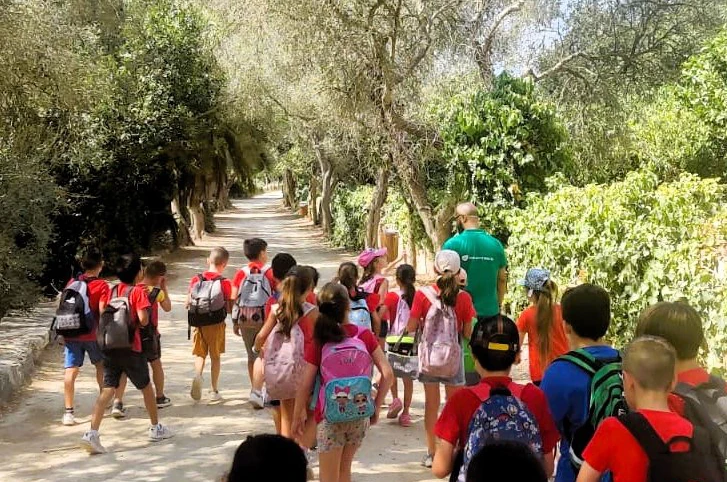
The Benefits of Environmental Education and Seed Planting Activities for School Children. In the pursuit of achieving sustainable development goals, environmental education has emerged as a powerful tool to foster awareness, knowledge, and action towards environmental conservation. Coupled with hands-on activities like seed planting, it provides school children with invaluable opportunities to connect with nature and cultivate a sense of responsibility towards the environment. Through these activities, Ambjent Malta explored the numerous benefits that school children derive from environmental education and seed planting activities, emphasizing their role in shaping future generations of environmentally conscious citizens.