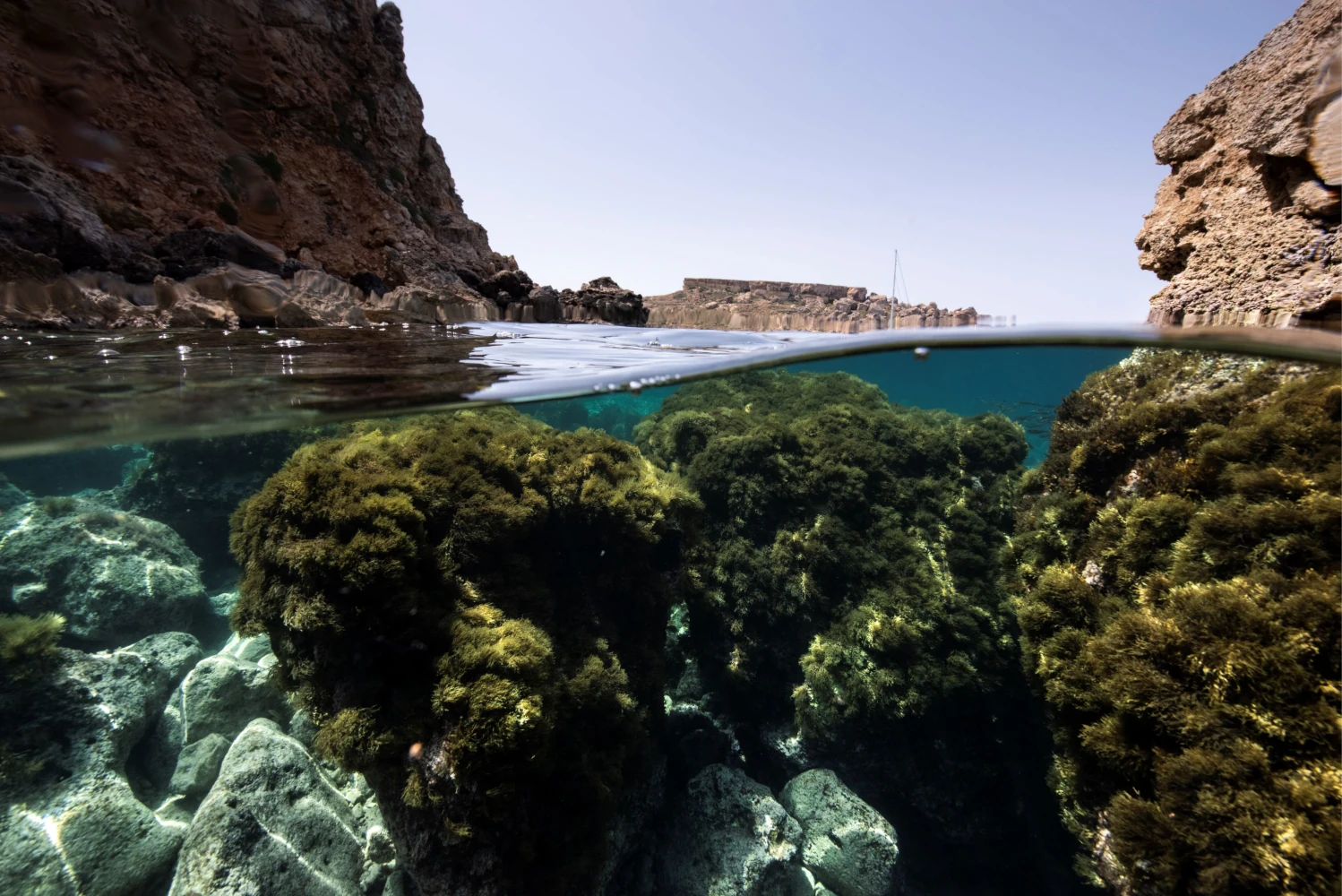
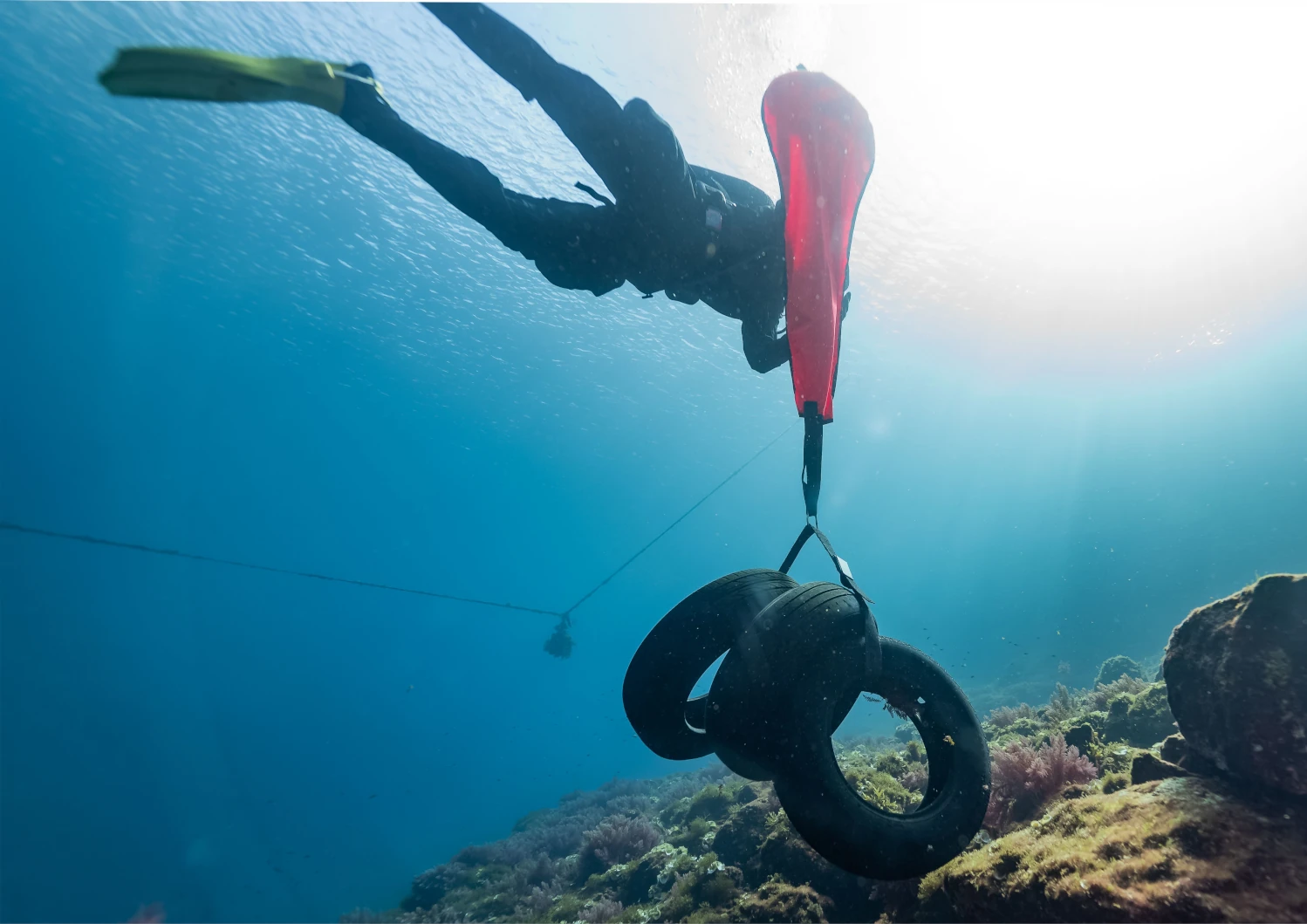
What is a Marine Protected Area?

Marine Protected Areas (MPAs) are designated marine areas for the purpose of conservation and management. These areas are intended to preserve and protect the marine life and habitats within them, whilst promoting sustainable use of these resources. The aim of MPAs is to ensure that our seas  remain healthy and full of life for today’s and future generations!

Malta’s marine Natura 2000 network encompasses 18 sites and covers over 4100 km2, equivalent to more than 35% of Malta’s Fisheries Management Zone, established for the conservation of important habitats and species. The network comprises Special Areas of Conservation (SACs), designated for the protection of marine habitats and species pursuant to the EU Habitats Directive, and Special Protected Areas (SPAs) designated for the protection of seabirds under the EU Birds Directive.

Malta’s MPAs seek the conservation of the Neptune seagrass (Posidonia oceanica) – which is a key habitat for coastal biodiversity, caves and reef habitats. In fact, Posidonia oceanica is also referred to as an ecosystem engineer providing habitats to a variety of marine fauna.  Species protected through MPAs include the Maltese topshell (Steromphala nivosa), the loggerhead turtle (Carretta carretta), the bottlenose dolphin (Tursiops truncatus) and three seabirds that breed in the Maltese Islands: the Scopoli’s Shearwater (Calonectris diomedea), the Yelkouan Shearwater (Puffinus yelkouan) and the European Storm Petrel (Hydrobates pelagicus).

While it is essential to designate MPAs, their effectiveness is strictly connected to the level of involvement of the local community in supporting marine protection policy and measures, as well as in committing to more sustainable solutions!

Click here to view a virtual map of Malta’s Marine Protected Areas: https://oceana.maps.arcgis.com/apps/MapSeries/index.html?appid=6b6c687101b841588dc91b84d3a25ef3

The Department
Privacy Overview

This website uses cookies so that we can provide you with the best user experience possible. Cookie information is stored in your browser and performs functions such as recognising you when you return to our website and helping our team to understand which sections of the website you find most interesting and useful.